
Screen-free activities work best when they are simple, visible, and easy for a child to start. Little kids do not need complicated projects every afternoon. They need a few hands-on choices that match their attention span, use their imagination, and give them something real to do with their hands.
The goal is not to ban screens forever. The goal is to have practical options ready for the moments when everyone needs a calmer rhythm. A good screen-free activity should be easy to set up, safe for the child’s age, and flexible enough that the child can play with it in more than one way.
Start With A Small Activity Basket
A screen-free basket is one of the easiest tools for busy families. Put a few simple items in one container: crayons, coloring pages, stickers, a small puzzle, board books, chunky beads, toy animals, or sorting cups. Keep the basket where your child can see it.
Do not overfill it. Too many choices can make kids dump everything out and walk away. Five or six items are usually plenty. Rotate the basket every few days so it feels fresh without buying new supplies every week.
Coloring Pages
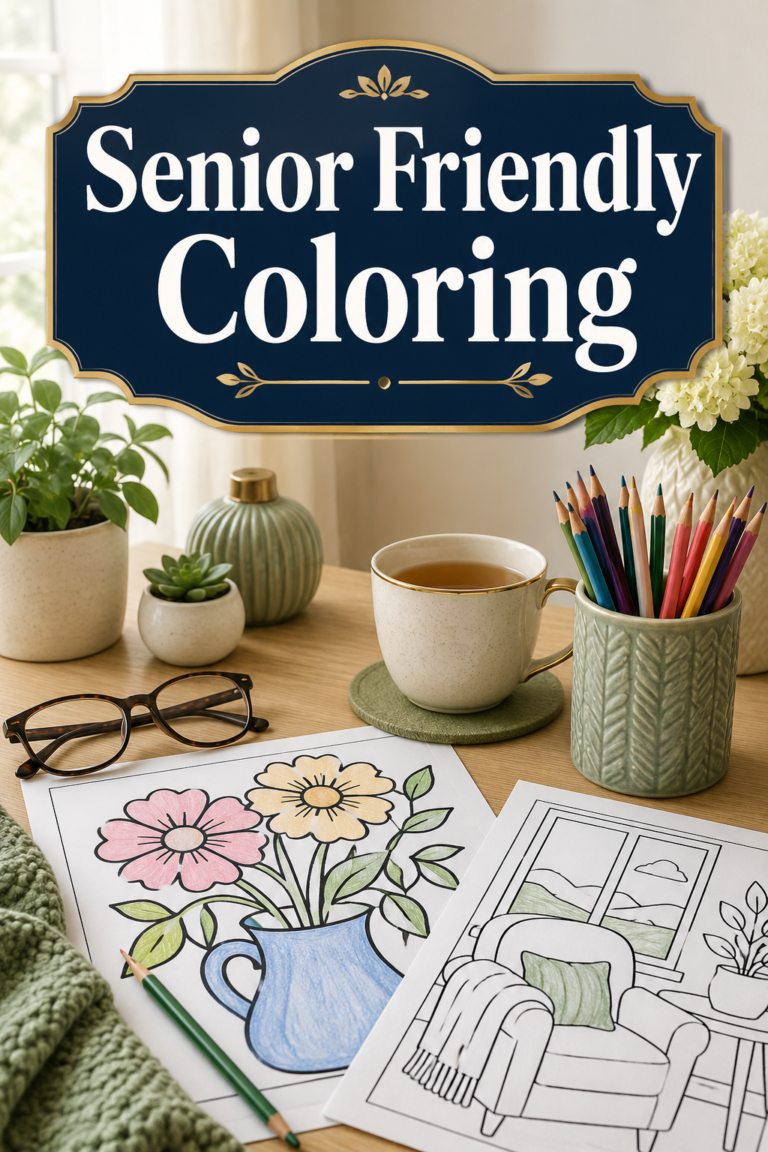
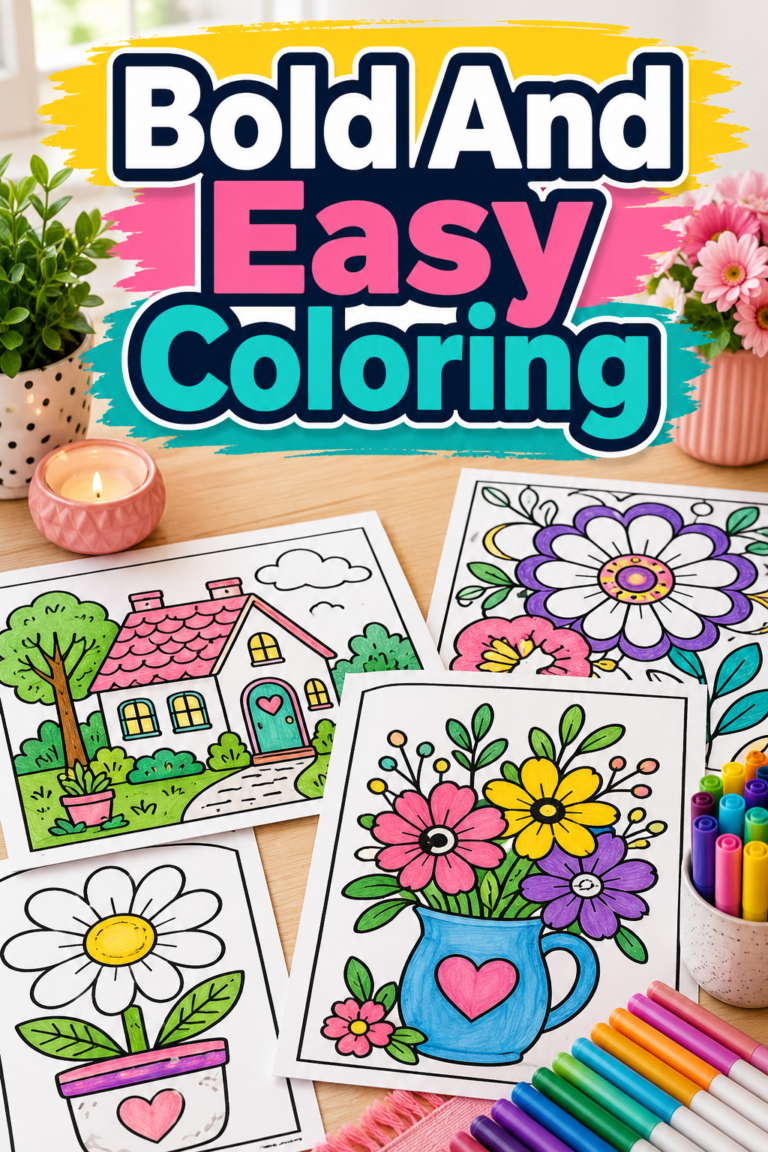
Coloring is a reliable screen-free activity because it is quick to start and easy to pause. Choose bold pages with large shapes for younger children and more detailed pages for older kids. Offer a small set of colors so the child can begin without decision overload.
Coloring supports hand control, patience, and confidence. It can also open the door to conversation. If your child is interested, ask what is happening in the picture or which color feels happiest. If they are quiet, let the quiet be part of the value.
For more on the skill side, read why coloring is more than busy work for kids.
Simple Puzzles
Puzzles give kids a focused challenge without needing a screen. For little kids, choose puzzles with fewer pieces, sturdy shapes, and clear pictures. For older children, try floor puzzles, matching puzzles, or large-piece jigsaws.
If your child gets frustrated, remove a few pieces and make the puzzle smaller. You can also start the border or place one obvious piece to help them begin. The goal is just enough challenge, not a meltdown.
Sorting And Matching Games
Sorting games are surprisingly powerful. Give your child buttons, blocks, toy cars, pom-poms, or safe household objects and ask them to sort by color, size, shape, or type. A muffin tin, egg carton, or small bowls can make the activity feel more official.
Matching socks, pairing lids with containers, or grouping toy animals can also work. These activities build observation and problem-solving while still feeling like play. They are especially useful when you need your child near you while you cook, fold laundry, or tidy up.
Pretend Play Stations
Pretend play can keep little kids busy because it gives them a story to enter. Set up a tiny restaurant with play food, a pretend doctor’s office with stuffed animals, a mail station with envelopes, or a tiny grocery store with empty boxes. You do not need fancy toys. Household items often work better because kids can invent their own rules.
Start the story if needed: “This stuffed animal has a cold,” or “The restaurant just opened.” Then step back. Many children need only a small prompt before their imagination takes over.
Sticker Scenes
Stickers are excellent for quiet time. Give your child a blank page, a few stickers, and crayons. They can create a scene, decorate a page, or tell a story around the stickers. Stickers also support fine motor skills because peeling and placing them takes finger control.
If stickers are too hard to peel, lift the edge slightly before handing the sheet to your child. That small setup change can prevent frustration and help the activity last longer.
Build A Quiet Time Routine
Screen-free activities last longer when they are part of a routine. Choose a predictable time of day, such as after lunch, after school, or before dinner. Keep the first few sessions short. Ten focused minutes is better than forcing an hour and ending in frustration.
Use a simple rhythm: choose an activity, play for a short time, clean up together, and put the basket away. Children often do better when they know what comes next.
When Activities Do Not Last Long
Little kids have short attention spans. That does not mean the activity failed. If your child colors for six minutes, builds for four minutes, and then needs something else, that may be normal for their age and energy. The goal is to build the habit gradually.
You can stretch an activity by adding one small twist. Turn coloring into a story, puzzles into a timer-free challenge, sorting into a pretend store, or blocks into a road for toy cars. A tiny change can restart interest without starting from scratch.
Helpful References
The CDC milestones for young children encourage activities such as coloring, drawing, play, and limiting screen time for young children. ChildCare.gov shares ideas for supporting learning through play, and the American Academy of Pediatrics explains the value of play in The Power of Play.
The best screen-free activities are not elaborate. They are the ones your child can return to again and again: color, sort, build, pretend, match, and try one small thing at a time.
Match Activities To The Moment
Different moments need different activities. If your child is restless, choose something with movement: building blocks on the floor, pretend cooking, a scavenger hunt, or sorting toys into bins. If your child is tired, choose quieter activities: coloring, board books, stickers, or a simple puzzle. Matching the activity to the child’s energy makes success more likely.
It also helps to keep expectations realistic. A screen can hold attention with sound, motion, and constant change. A hands-on activity works differently. It may need a little adult setup and a little encouragement at the beginning. That is normal.
Use Everyday Objects
You do not need to buy a new activity every time your child needs a screen-free option. Measuring cups, safe containers, wooden spoons, envelopes, old magazines, fabric scraps, cardboard tubes, and empty boxes can become sorting games, pretend play, building materials, or art supplies.
Everyday objects often invite more imagination than single-purpose toys. A box can be a car, house, store, cave, or delivery truck. A spoon can be a cooking tool, drumstick, microphone, or magic wand. The fewer rules an object has, the more a child can invent.
Make Cleanup Part Of The Routine
Screen-free play can get messy, so keep cleanup simple. Use one basket, one tray, or one table space. Before switching activities, ask your child to put three things away with you. Small cleanup habits keep the activity from becoming stressful for the adult, which makes it more likely to happen again tomorrow.
Screen-Free Ideas For Different Times Of Day
Morning activities should be easy and low mess. Try books, chunky puzzles, coloring, or simple sorting. Afternoon activities can be more active: blocks, pretend play, scavenger hunts, sticker scenes, or a small craft tray. Evening activities should help the house slow down again, so choose coloring, reading, quiet puzzles, or matching games.
Thinking by time of day keeps the activity realistic. A messy craft may be wonderful at 2 p.m. and a terrible idea ten minutes before dinner. The best activity is the one that fits the moment you are actually in.
Avoid The Perfect Activity Trap
Parents often feel pressure to create beautiful activities. Little kids usually do not need that. They need access, safety, and permission to explore. A plain cardboard box may hold attention longer than a carefully arranged craft. A few crayons may work better than a full art cart.
Simple activities are easier to repeat, and repeated activities are where skills grow. If it works and your child returns to it, it is enough.
Keep A Backup Choice
Have one backup activity ready when the first one fails. If coloring does not land, offer a puzzle. If puzzles frustrate them, offer pretend play. A backup choice keeps the screen-free rhythm from turning into a power struggle.
Prepare The First Two Minutes
Many little kids need help starting. Instead of handing them a pile of supplies, set up the first two minutes. Open the coloring book to one page, place three crayons beside it, put the first puzzle piece in place, or start the pretend story with one sentence. Once the child is engaged, step back.
This small launch matters. Screens start instantly, but hands-on play sometimes needs a doorway. Your job is to open the doorway, not manage every minute after that.
Repeat Favorites Without Guilt
If your child asks for the same activity again and again, let that be okay. Repetition helps children feel competent. A puzzle they can finish, a coloring page style they understand, or a pretend game they know well can become a confidence builder. You can add a small twist later when they are ready.