
Disclosure: This post may include Amazon affiliate links. As an Amazon Associate, Logik Press may earn from qualifying purchases at no extra cost to you.
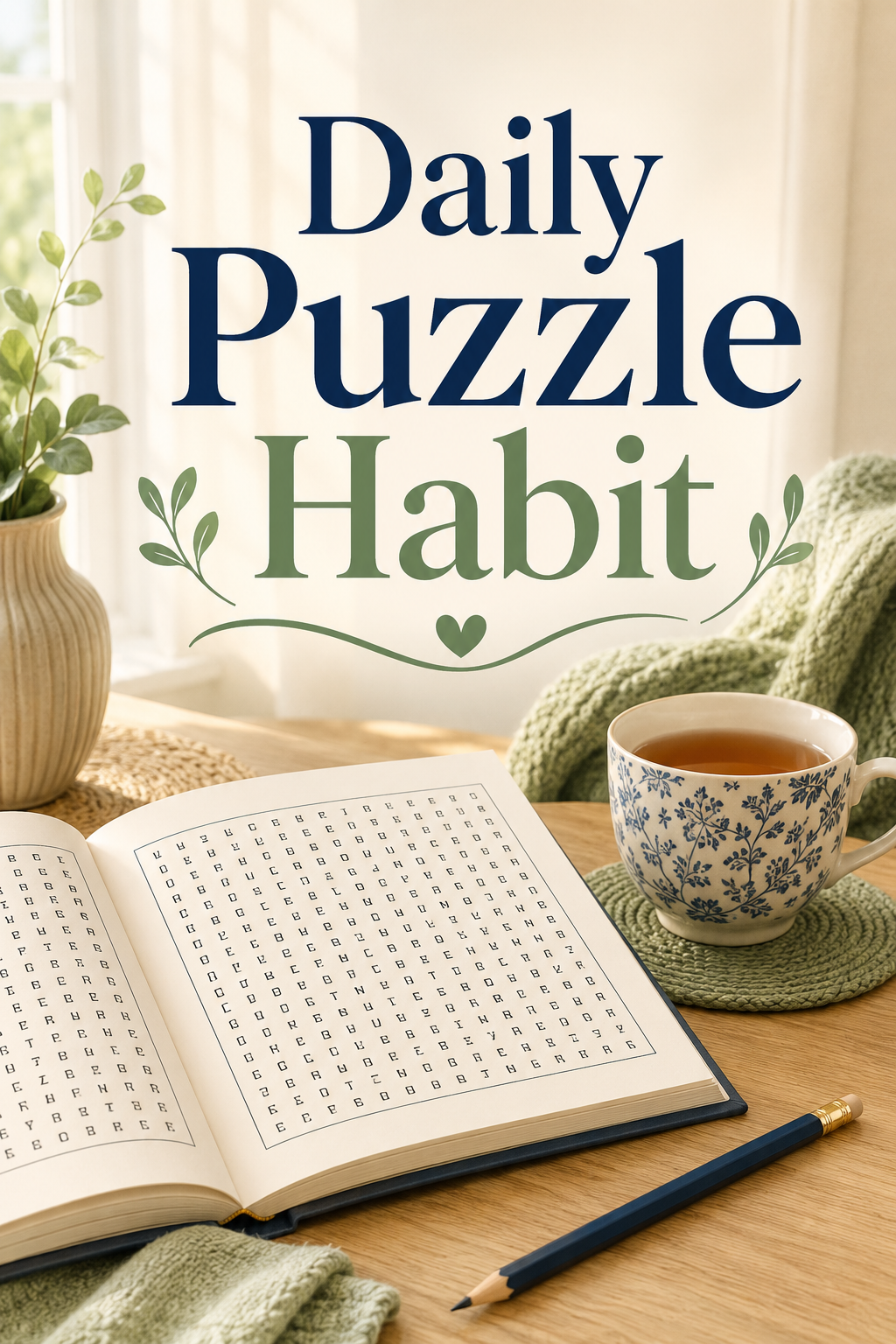
Keeping your mind active does not have to mean turning every afternoon into a serious brain-training program. For many adults and seniors, the better starting point is simpler: choose one small screen-free activity, make it easy to reach, and repeat it often enough that it becomes part of the day.
Large-print word searches can fit that role nicely. They are familiar, low pressure, and easy to understand. You do not need a complicated setup. You do not need an app. You do not need to compete with anyone. You can sit down with a pencil, circle a few words, and stop when you are ready.
A quick note: Logik Press believes clear steps build real confidence. A puzzle habit works the same way. You do not have to do something huge. You just need a page that is easy enough to start today.
Start With A Puzzle You Can Actually See
The first part of a good puzzle habit is comfort. If the print is too small, the grid is crowded, or the word list is hard to read, the activity stops feeling relaxing.
Large-print pages help because the user can see the letters more clearly and track the puzzle without fighting the page. This is especially helpful for adults who prefer bigger text, seniors who want an easier reading experience, or anyone who simply dislikes cramped puzzle books.
A good large-print word search usually has:
- Clear letter spacing
- A readable word list
- A simple page layout
- Enough room to circle words cleanly
- An answer key for when someone gets stuck
The goal is not to make the puzzle childish. The goal is to remove unnecessary friction. A page can be adult, clean, and useful while still being easy to read.
Make The Habit Small Enough To Repeat
The easiest routine is the one that does not ask for too much. Instead of saying, "I need to finish a whole puzzle every day," try a smaller rule.
Circle five words.
Work for ten minutes.
Find all the short words first.
Finish one section of the word list.
Do one puzzle after breakfast on Mondays, Wednesdays, and Fridays.
Small rules matter because they lower the starting pressure. A person is more likely to begin when the task feels reasonable. Once they begin, they may continue longer. But even if they stop after five minutes, the habit still counts.
This is the same reason simple trackers work. When the goal is visible and easy to mark, the user gets a small sense of progress. That progress is often what keeps the routine alive.
Pair Puzzles With A Real Part Of The Day
Puzzle habits work better when they attach to something that already happens. A loose goal like "I should do more puzzles" is easy to forget. A specific routine is easier to remember.
Examples:
- One word search with morning coffee
- Ten minutes of puzzles before TV
- A puzzle page after lunch
- Sunday afternoon quiet time
- A puzzle on the porch when the weather is good
- A page in the waiting room bag
The routine does not need to be strict. It just needs a home. If the puzzle book lives beside the chair, on the kitchen table, or in a small basket with pencils, the next step is obvious.
For caregivers or family members, this can be useful too. Instead of handing someone a stack of activities and hoping one sticks, create a simple place for the habit. Keep the book, pencil, bookmark, and answer key together.
Rotate Themes So It Does Not Feel Stale
Even a good activity can start to feel repetitive if every page looks the same. Theme rotation keeps the habit fresh.
One week might use nature words. Another week might use travel words. Another might use food, holidays, animals, faith-friendly words, music, or everyday objects.
Themes help because they give the puzzle a small emotional hook. A travel-themed page can feel like a little vacation. A Christmas page can fit the holiday season. A Bible word search can pair with quiet time. A general brain-fitness word search can work as a steady everyday option.
Keep The Tools Simple
A puzzle habit does not need expensive supplies. A pencil is enough. A pen works too. Some people like colored pens because they make finished words easier to see. Others prefer a pencil because mistakes can be changed.
A good starter setup:
- One large-print puzzle book
- Two pencils
- One eraser
- A bookmark or sticky note
- A small folder for printable sample pages
- Optional colored pens for variety
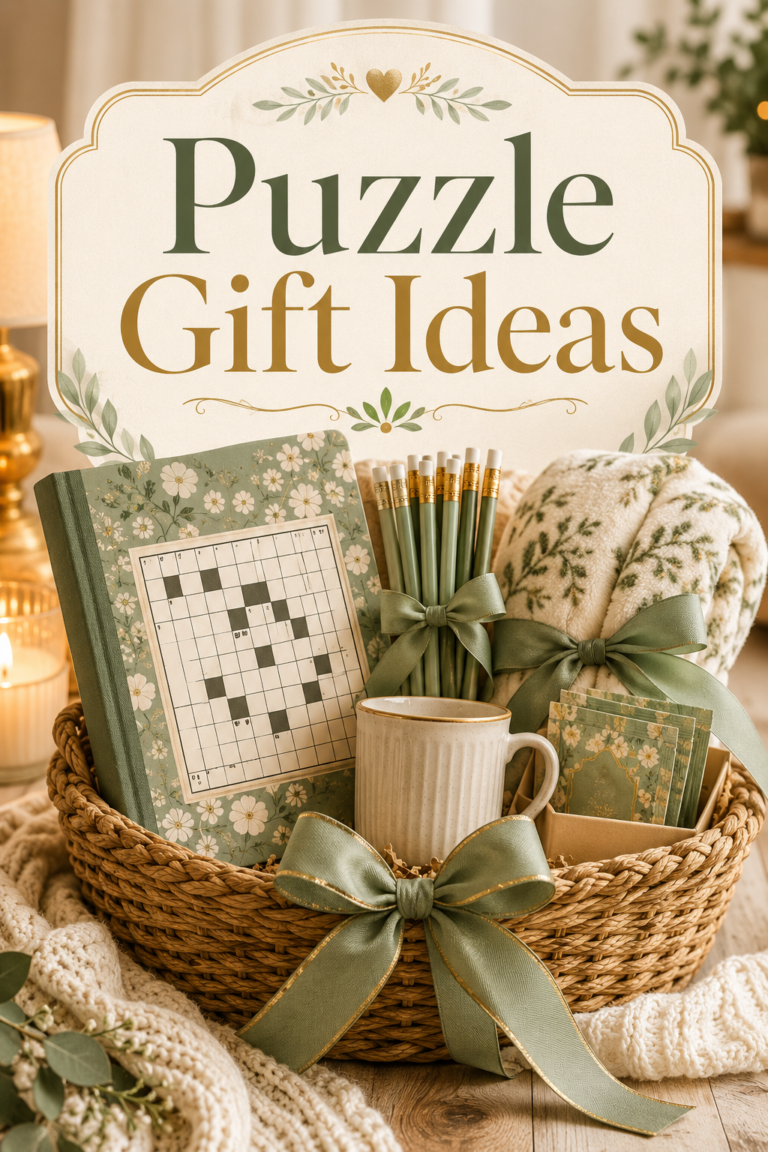
If the puzzle book is a gift, this small bundle can make it feel more thoughtful. The person receiving it does not have to hunt for supplies. They can open the basket and start.
The same principle applies to free downloads. A one-page large-print sample puzzle should not be complicated. It should print cleanly, include a simple word list, and give the reader a quick win.
Make It Social Without Making It A Test
Puzzles can be done alone, but they can also become a gentle shared activity. Two people can sit side by side with separate pages. A grandparent and grandchild can race to find one word each. A caregiver can read the word list aloud. A small group can work on the same holiday puzzle at a table.
The tone matters. The puzzle should not become a test. Avoid making someone feel slow, corrected, or watched. The better approach is warm and casual.
Try:
"I found one. Do you see another?"
"Let's do five words and then take a break."
"This page has travel words. Which place would you pick?"
"Want to circle the short words first?"
That kind of interaction keeps the activity friendly. It also gives people a reason to talk, remember, laugh, or tell stories without forcing a heavy conversation.
What To Avoid
Avoid making medical claims. A puzzle can be a pleasant activity, but a blog post should not promise health outcomes.
Avoid pages that are too tiny or too dense for the audience. A puzzle that looks impressive is not useful if the reader never wants to open it.
Avoid turning the routine into a chore. If someone misses a day, the habit is not ruined.
Avoid buying too many books before learning what themes the person enjoys. Start with one or two and pay attention.
Avoid removing the answer key. Getting stuck can be frustrating. An answer key protects the relaxing part of the activity.
The best habit is the one the person will return to without dread.
Free Printable Idea
Create a One-Page Large-Print Puzzle Habit Starter with:
- One easy large-print word search
- A five-minute puzzle routine card
- A small weekly tracker
- A note that says "five words counts"
- A pencil-and-bookmark checklist
This gives the reader something useful immediately before any book offer.
Helpful Next Step
If you enjoy simple, screen-free puzzle time, Logik Press makes large-print word search books designed for adults and seniors who want clear pages and low-pressure activity.
- Brain Fitness Word Search for Seniors Large Print
- Large Print Word Search for Adults and Seniors
- Summer Travel Word Search Large Print for Adults and Seniors
Related Reading
Helpful Sources
- National Institute on Aging: Cognitive Health and Older Adults
- National Institute on Aging: Participating In Activities You Enjoy As You Age
A Simple Way To Use This This Week
If this topic feels useful but a little big, keep the first step small. Pick one idea from this guide, write it on a sticky note, and try it once before you add anything else. A small repeatable action is easier to keep than a perfect plan. You can always come back later, add a printable page, choose a matching book, or build a longer routine once the first step already feels comfortable.
The goal is not to make a daily puzzle habit complicated. The goal is to make the next step clear enough that you can actually start today.
A Simple Way To Use This This Week
If this topic feels useful but a little big, keep the first step small. Pick one idea from this guide, write it on a sticky note, and try it once before you add anything else. A small repeatable action is easier to keep than a perfect plan. You can always come back later, add a printable page, choose a matching book, or build a longer routine once the first step already feels comfortable.
The goal is not to make keeping your mind active: simple daily puzzle habits for adults and seniors complicated. The goal is to make the next step clear enough that you can actually start today.
Quick Starter Routine
For an easy first week, keep the puzzle book in one visible place and choose a repeatable time of day. Monday can be five words, Tuesday can be ten minutes, Wednesday can be one themed page, and Thursday can be a shared puzzle with someone nearby. If a day gets skipped, simply return to the next small step. A puzzle habit works best when it feels welcoming instead of strict.