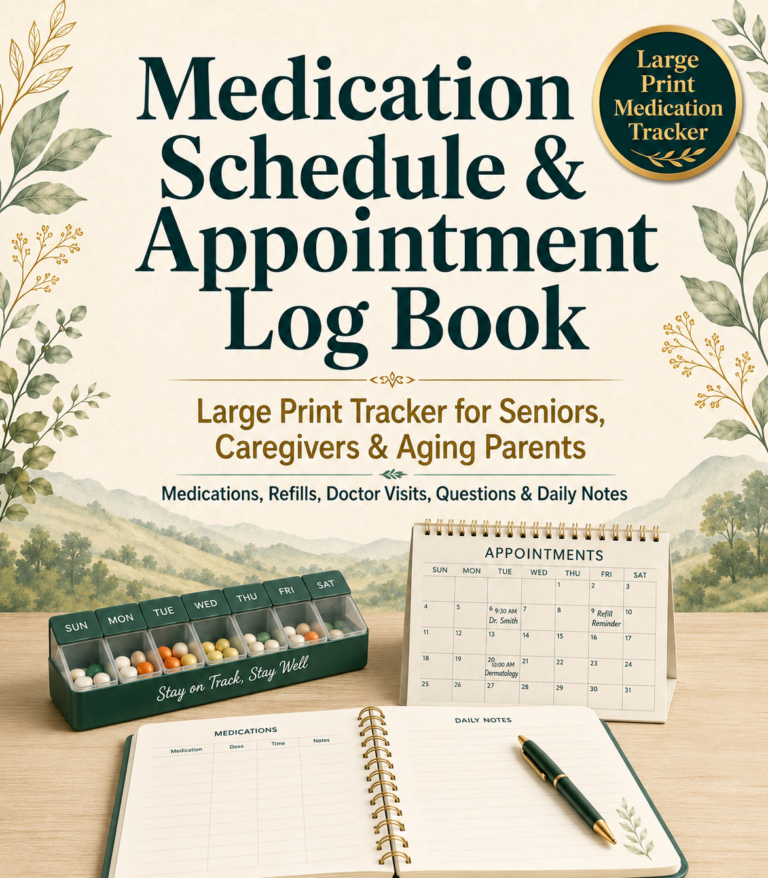

Caring for an aging parent can turn into a lot of tiny details very quickly. One person notices a medication change. Someone else drives to an appointment. A sibling gets a phone call. A neighbor drops off dinner. By the end of the week, everyone may be trying to remember what happened from scattered texts, memory, and scraps of paper.
A simple caregiver log helps pull those details into one calm place. It does not need to be complicated, medical, or perfect. The goal is to make everyday care easier to understand, especially when more than one person is helping.
The need is real. The 2025 Caregiving in the U.S. report from the National Alliance for Caregiving and AARP says 63 million Americans provide ongoing care today. Many of those caregivers are helping with daily routines, appointments, medications, transportation, meals, and communication with family members.
Why a caregiver log helps
A daily log gives you a place to record what happened without relying on memory. That can be useful when you are tired, when routines change, or when a doctor asks, “How long has this been going on?”
A log can help you notice patterns such as missed meals, poor sleep, repeated confusion at a certain time of day, or appointments that need follow-up. It can also make handoffs easier. If one person handles the morning and another person handles the evening, the second person can quickly see what already happened.
This kind of notebook is not a substitute for medical advice. It is a practical communication tool. If something feels urgent, confusing, or unsafe, call the appropriate medical professional or emergency service.
What to write each day
Start with the basics. A daily entry can be short and still useful:
- Date and day of the week
- Who provided care
- Meals, hydration, and appetite notes
- Sleep or rest notes
- Mood, energy, or behavior changes
- Mobility, falls, pain complaints, or unusual symptoms
- Appointments, calls, deliveries, and errands
- Questions to ask at the next appointment
You do not have to write full paragraphs. A few clear bullets are usually better than a long entry nobody wants to maintain.
Medication and appointment notes
Medication tracking is one of the areas where clear notes matter most, but it should be handled carefully. A caregiver log can record what was taken, what changed, and what needs to be asked, but medication decisions should stay with the doctor, pharmacist, or other qualified professional.
The FDA recommends keeping a current medication list that includes prescription medicines, over-the-counter medicines, vitamins, supplements, allergies, and instructions. A caregiver log can sit next to that list and help you record daily details, but the official medication list should be kept updated whenever a prescription or dose changes.
For appointments, write down the date, provider, reason for the visit, key instructions, follow-up tasks, and any questions that still need answers. If another family member could not attend, this gives them a quick way to catch up.
Meals, mood, mobility, and routine notes
Small routine notes can be surprisingly useful. If your parent is eating less, sleeping more, getting more confused in the evening, or struggling with stairs, a written record helps you see whether it happened once or has become a pattern.
Try using simple language instead of diagnosing the situation yourself. For example, write “ate half of lunch,” “seemed more tired than usual,” or “needed help getting out of the chair.” These observations are easier to share and easier to compare over time.
When multiple people help
If several people are involved, agree on a simple system. Keep the notebook in one place. Write the date on every entry. Use initials so everyone knows who wrote the note. Add a small “follow-up” section for tasks that still need to happen.
This helps reduce repeated phone calls, missed errands, and the feeling that everyone is working from a different version of the story.
What not to put in the log
Do not use a shared notebook for passwords, banking details, Social Security numbers, or private account information. If sensitive documents are needed, keep them in a secure place and share them only with the right people.
The caregiver log should be practical, readable, and safe to use around the home.
A simple daily caregiver log template
Use this quick format when you do not know what to write:
- Date:
- Caregiver:
- Meals and hydration:
- Medication notes:
- Mood and energy:
- Mobility or safety notes:
- Appointments or calls:
- Follow-up tasks:
That is enough to make tomorrow easier.
Helpful next step
If you want a ready-made paper system, the Logik Press Caregiver Daily Log Book for Aging Parents & Home Care is designed for simple daily tracking, appointment notes, medication notes, and family handoffs.
Disclosure: Logik Press may earn from qualifying purchases through affiliate links. This does not change the price you pay.
Helpful sources
- Caregiving in the U.S. 2025
- FDA: Create and Keep a Medication List for Your Health
- AHRQ: My Medicines List