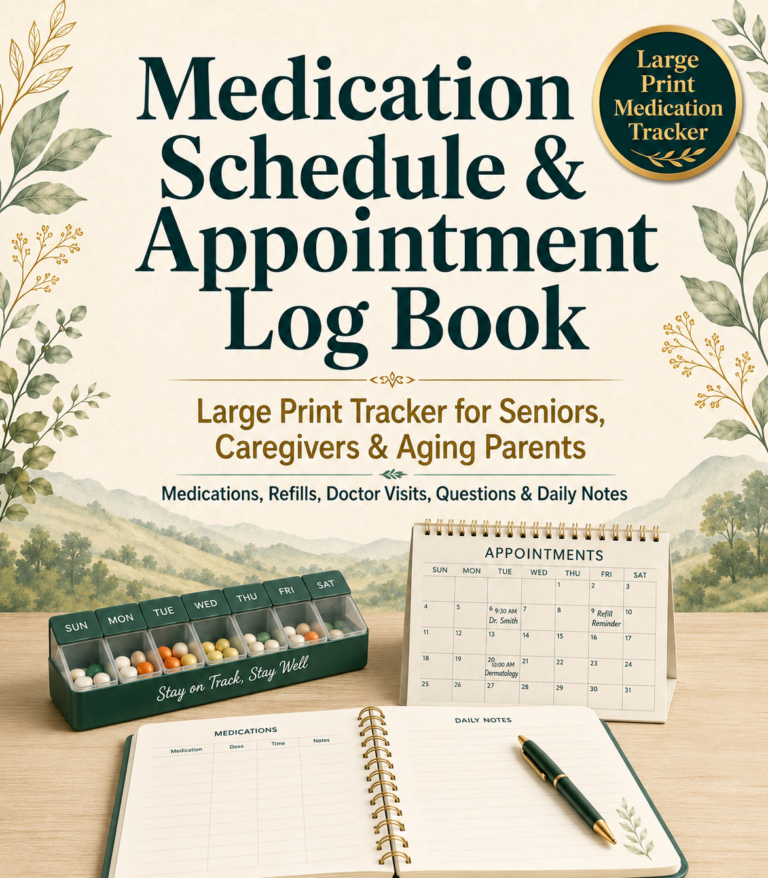

Medication and appointment details have a way of spreading across the house. A bottle is on the counter, a refill reminder is in a phone, the next appointment is on a calendar, the dosage question is on a sticky note, and the doctor visit summary is somewhere in a folder. That may work on a quiet week. It becomes stressful when a family member asks what changed, a provider needs the current list, or a caregiver has to step in quickly.
A simple medication and appointment tracker gives those details one home. It does not replace medical advice, a pharmacist, a doctor, or the medication label. It simply helps you keep a clear written record so you can ask better questions and avoid relying on memory when the day is busy. The FDA recommends creating and keeping a medication list, including prescription medicines, over-the-counter products, vitamins, and supplements. That is a strong starting point for any home record system.
Start With A Master Medication List
The master list is the page you update whenever something changes. It should include the medicine name, strength if known, dose, time of day, reason it is taken, prescribing provider, pharmacy, refill notes, and any important instructions from the label. Include over-the-counter medicine and supplements too. Many families forget those because they do not feel as official as prescriptions, but they can still matter during medical visits.
Write the date the list was last updated at the top. This tiny detail is more useful than it seems. If a caregiver, adult child, or provider looks at the list later, they can tell whether it is current or possibly out of date. When a medicine is stopped, do not quietly erase the whole history if you still need the record. Mark the stop date and the reason if the provider gave one. That creates a cleaner story of what changed.
Use Weekly Pages For The Everyday Routine
A master list tells you what exists. A weekly schedule tells you what needs to happen today. For many households, the daily routine is where confusion starts. Morning pills, evening pills, as-needed medicines, vitamins, eye drops, topical creams, and refill reminders can blur together. A weekly page lets you see the pattern at a glance. It also helps a second person step in without asking the same questions again and again.
Keep the weekly page simple. A row for each medicine, columns for days or times, and a small check area can be enough. The goal is not to create a complicated medical chart. It is to make the day easier to follow. If a dose is missed, delayed, refused, or changed by a provider, write a short note. Do not guess or double up unless the medicine instructions or a qualified professional tells you to. When in doubt, call the pharmacist or provider.
Add Refill And Pharmacy Notes
Refills cause stress because they often become urgent at the worst time. Add a small refill section to your tracker. Note the pharmacy, prescription number if you use it, refill date, last fill date, and any insurance or supply issue. If a medicine needs authorization or has limited refills, write that down as soon as you learn it. A tracker cannot solve pharmacy delays, but it can help you notice them earlier.
For caregivers, refill notes are also a communication tool. If one person usually handles refills but another person is helping for the week, the tracker explains what is pending. That reduces duplicate calls, missed calls, and the uneasy feeling that no one is sure whether the refill has been requested.
Keep Appointment Questions In The Same Place
Appointments are easier when questions are written before you walk in. Keep a running list of questions in the tracker: side effects to ask about, symptoms that changed, refill concerns, lab follow-ups, mobility changes, sleep changes, appetite notes, or new confusion. The question list does not need to be dramatic. It just needs to catch the thoughts that usually appear at 9 p.m. and vanish by the appointment.
After the visit, write the date, provider, main reason for the appointment, instructions given, follow-up timing, and any medication changes. If the provider gives printed instructions, keep them in a folder, but summarize the action items in the tracker. That way the next step is visible without rereading a packet every time.
Use The Tracker For Caregiver Handoffs
If more than one person helps, a tracker becomes a handoff page. The next caregiver can see what was taken, what was skipped, what needs a refill, what appointment is coming up, and what questions are waiting. This is especially useful for adult children caring for aging parents, spouses managing a partner’s care, or families coordinating with home care support.
The language can stay plain. You do not need medical shorthand. Write things like called pharmacy, waiting on refill, ask doctor about dizziness, appointment changed to Friday, or bring insurance card. Clear everyday language is often safer than trying to sound clinical. The point is shared understanding.
What Not To Put In The Tracker
A home tracker should not become a place for private passwords, full Social Security numbers, or anything you would not want visible if the notebook is left on a counter. Keep emergency contacts and provider names, but be thoughtful with sensitive information. If the tracker travels to appointments, assume it could be seen by someone outside the family.
Also avoid using a tracker to make medical decisions on your own. It is a record and planning tool. It can help you notice patterns, prepare questions, and share accurate information. It should not be used to start, stop, or change medicines without professional guidance.
Do A Five-Minute Weekly Review
A tracker stays useful when it gets a quick review. Choose one day each week and check four things: whether the master medication list changed, whether any refills are getting low, whether an appointment is coming up, and whether any questions need to be moved to the next visit page. This review does not need to become a long planning session. Five minutes is often enough to catch the details that would otherwise turn into last-minute stress.
During the review, mark anything that needs action. Call pharmacy. Confirm appointment. Ask about side effect. Bring updated insurance card. Refill before Friday. The action words matter because they make the next step clear. A note that says medication question is less useful than ask Dr. Lee whether the new evening dose could be causing morning dizziness. Specific notes are kinder to the future version of you who will have to act on them.
Prepare For Appointments Before The Day Of
Appointment days can feel rushed. If you wait until you are in the parking lot to remember your questions, you may forget the most important one. Use the tracker to prepare the night before. Review the current medicine list, refill issues, recent changes, symptoms or concerns, and the top three questions. Put those questions on one page where you can see them quickly.
After the appointment, write down what changed before the details fade. If a medicine was adjusted, note the date and what the provider said. If a follow-up test, referral, or next appointment was recommended, record it in the same place. If nothing changed, write that too. No change is still useful information, especially when several family members are trying to stay updated.
Make It Easy For Another Helper
The best home system is one another trusted person can understand. Imagine that a sibling, spouse, adult child, neighbor, or respite caregiver had to help tomorrow. Could they find the medicine list? Could they see the next appointment? Would they know what has already been handled and what still needs a call? If the answer is no, simplify the tracker until the important details are obvious.
Use page tabs, a table of contents, or a sticky note if that helps. Keep the most-used information near the front. Put less urgent history farther back. A tracker should reduce the number of repeated conversations, not create another pile to decode. The goal is calm visibility: what is current, what changed, what is next, and who needs to know.
Helpful Official Resources
The FDA My Medicine Record is a useful example of the kind of information worth tracking. The CDC medication safety overview is also a good reminder that all medicines, vitamins, and supplements can carry risks if taken incorrectly or mixed without guidance.
If you are already keeping daily care notes, you may also like this guide to keeping a simple caregiver log for an aging parent. The medication and appointment tracker is a natural companion: one notebook for the schedule and provider questions, another for daily care notes, meals, mood, comfort, and handoffs.
A good tracker does not have to be fancy. It just has to be easy to update, easy to read, and easy to trust when the day gets full. Start with the master list, add the weekly routine, keep refill notes visible, and write questions before appointments. That one habit can turn scattered details into a calmer system.