
Disclosure: This post may include Amazon affiliate links. As an Amazon Associate, Logik Press may earn from qualifying purchases at no extra cost to you.
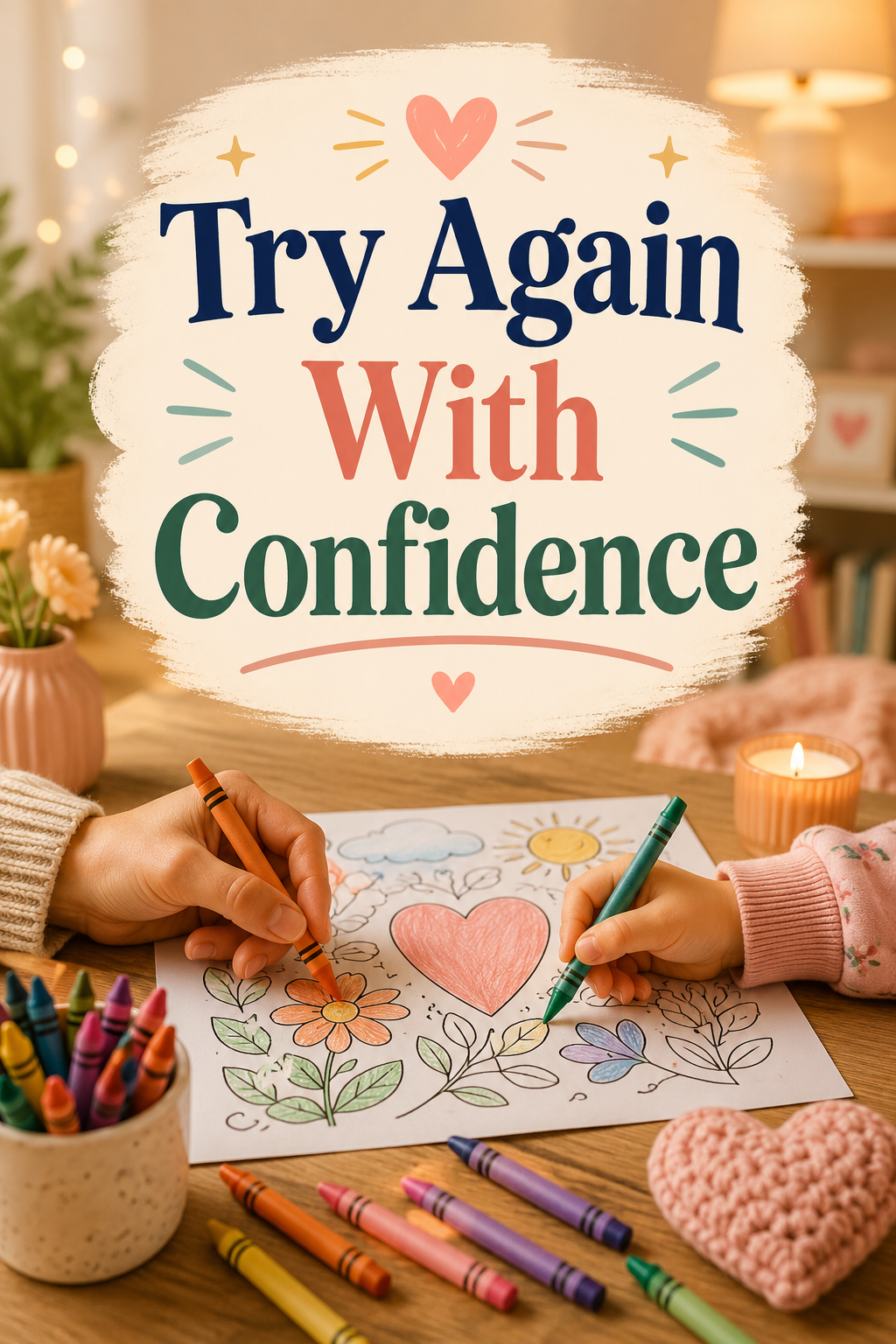
When a child says their coloring page is bad, the best first response is not a lecture. It is calm presence. They may not need you to convince them the page is perfect. They may need you to help them feel safe enough to keep trying, pause without shame, or see one part of the page that worked.
Parents hear it all the time:
"Mine is ugly."
"I messed up."
"I am bad at this."
"It does not look right."
"I hate it."
That little moment can feel small, but it matters. Coloring is supposed to be playful, but children can still get frustrated when the picture in their head does not match what shows up on the page. The parent response can either turn the moment into pressure or turn it into practice.
A quick note: At Logik Press, we do not treat imperfect pages like failures. We treat them like tiny practice fields. Kids need patience, praise, and presence more than they need a perfect picture.
Here is a parent-friendly way to respond when your child starts judging their own work.
Start By Slowing The Moment Down
When a child says the page is bad, many adults rush to fix the feeling.
"No, it is beautiful."
"Do not say that."
"It looks fine."
"You are being silly."
Those responses are understandable, but they can accidentally skip over what the child is feeling. If the child is frustrated, they may not believe the compliment yet. If they are embarrassed, they may feel like you are arguing with them.
Try slowing down first:
"You sound frustrated."
"That part did not come out how you wanted."
"You worked hard on it, and now you are not sure you like it."
This does not mean you agree that the page is bad. It means you noticed the feeling before trying to change it.
That small pause helps the child feel heard. Once they feel heard, they may be more open to trying again.
Do Not Grab The Crayon Too Fast
Parents often want to help by fixing the page. A little touch here, a neater line there, a new color in the corner. But if the adult takes over too quickly, the child may learn that the page only gets better when someone else controls it.
Before helping, ask:
"Do you want help, or do you want me to sit with you?"
"Do you want an idea, or do you want to try your way?"
"Should we leave it, add to it, or take a break?"
These questions keep ownership with the child. They also teach that help is something they can request, not something that automatically replaces their effort.
If your child says yes to help, make the smallest helpful move. Point to an option. Suggest one color. Offer scrap paper for practice. Avoid finishing the page for them unless they clearly ask for that kind of teamwork.
Find One Part That Worked
When a child sees the whole page as bad, help them zoom in. There is almost always one part that worked, even if it is tiny.
You might say:
"I see one spot where you stayed inside the line."
"That color is interesting."
"You filled this whole section."
"This part has a lot of energy."
"You tried something new here."
The goal is not to pretend the child loves the page. The goal is to help them notice that a frustrating page can still contain effort, choices, and progress.
This is important because confidence does not always come from loving every result. Sometimes confidence comes from realizing, "One part worked. I can keep going."
Offer Three Calm Choices
Frustrated kids often need a next step, but too many options can overwhelm them. Try offering three calm choices:
1. Add something. 2. Take a break. 3. Save it for later.
You can say:
"We can add a new color, take a break, or put it in your folder for later. Which one feels best?"
Adding something might mean coloring the background, outlining a shape, adding stickers, or turning the mistake into part of the picture. A scribble can become wind. A dark spot can become a shadow. A crooked line can become a road.
Taking a break teaches that frustration is not the end of the activity. It is a signal to pause.
Saving it for later tells the child that a page does not have to be solved immediately.
Those choices protect the child's confidence because they do not force a fake happy ending. They create a next step.
Praise The Process, Not The Performance
If the only praise a child hears is "That is pretty," they may start believing the picture has to look pretty to matter. Process praise works better for this kind of moment because it names what the child did, not just how the page looks.
Try:
"You kept going even when that part was hard."
"You chose your own colors."
"You noticed something you wanted to change."
"You tried again after getting frustrated."
"You asked for help instead of quitting right away."
This kind of praise does not depend on the page being perfect. It teaches the child that effort, choices, and persistence are worth noticing.
The CDC and many parenting resources encourage positive attention and praise for behaviors parents want to see more often. For a coloring page, the behavior might be trying, pausing calmly, asking for help, or returning to the activity.
Use Language That Leaves Room For Growth
Words like "bad" and "good" can make art feel like a test. Try shifting toward growth language.
Instead of:
"It is not bad."
Try:
"It is still becoming something."
Instead of:
"You did it wrong."
Try:
"That is one way it turned out. What do you want to try next?"
Instead of:
"You are a great artist."
Try:
"You are learning how you like to make things."
This wording matters because it gives the child room to keep developing. A child does not have to decide whether they are good or bad at art. They can just be someone who is learning.
When To Put The Page Away
Sometimes the best support is ending the activity kindly. If the child is getting more upset, pressing them to finish may backfire.
Try:
"This page can rest for now."
"We can come back tomorrow."
"Your brain and hands worked hard. Let's take a break."
"Do you want to pick a different page?"
Putting the page away is not failure. It can be self-regulation practice. Kids learn that they can pause, calm down, and return later.
If this happens often, consider whether the pages are too detailed, the tools are hard to use, or the child is tired. Bigger spaces, chunkier crayons, shorter sessions, or simpler designs may make the activity feel better.
Make A Little Wins Folder
A little wins folder is a simple place to keep finished pages, half-finished pages, and pages the child did not love at first. Over time, it can show growth without comparing the child to anyone else.
Every few weeks, look through the folder together and ask:
"Which one do you remember making?"
"Which one was tricky?"
"Which one has your favorite color?"
"Which one should we keep?"
This helps the child see that creativity is not one page. It is a stack of attempts. Some pages feel great. Some feel frustrating. All of them can be part of learning.
What To Avoid Saying
Most parents mean well, but a few phrases can make the moment harder.
Try to avoid:
"You are wrong. It looks good."
"Stop being dramatic."
"Let me fix it."
"You should have used a different color."
"Your sibling did not complain."
Those lines can make the child feel corrected, compared, or dismissed. A better goal is to help them stay connected to the activity. You can be honest without being harsh:
"That part did not come out how you hoped. What do you want to try next?"
That keeps the focus on choice, not shame.
Free Printable Idea
Create a Try Again Coloring Confidence Card with:
- Three calm choices: add, pause, save
- Five parent phrases
- A small "one part I like" box
- A space for the child to sign or date the page
This gives parents something helpful before any book offer.
Light Book Offer
After the printable, add a soft book bridge:
If your child enjoys coloring but sometimes gets frustrated, Logik Press kids coloring and activity books can give you gentle pages to practice small wins, simple choices, and parent-child encouragement.
Related Reading
Helpful Sources
- HealthyChildren.org: How To Make A Family Media Plan
- American Academy of Pediatrics: Screen Time Guidelines
- HealthyChildren.org: How To Build Healthy Digital Habits