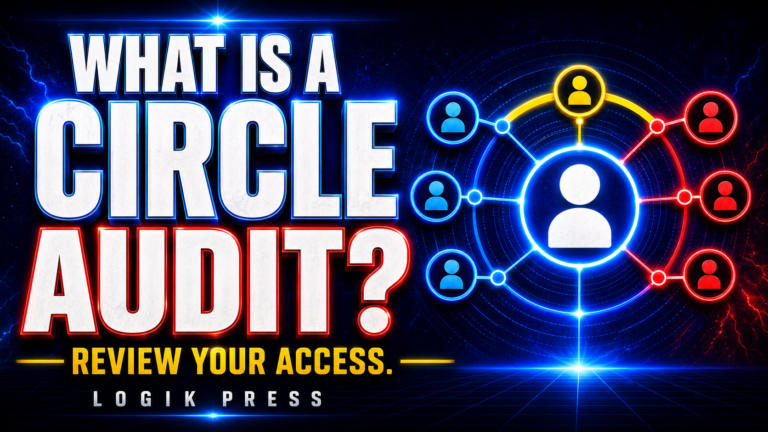

Assets and liabilities are usually financial words, but the idea can also help you think clearly about relationships. An asset is not a perfect person. A liability is not a person with no worth. In this framework, the words describe patterns of impact. Who adds steadiness, honesty, courage, accountability, and peace? Who repeatedly drains energy, creates confusion, ignores boundaries, or costs more than the relationship is repairing?
The point is not to turn people into transactions. The point is to stop pretending every connection has the same effect on your life. Your circle shapes your focus, habits, confidence, standards, and future. It deserves attention.
What relationship assets tend to do
People who function as assets in your life usually make growth easier, not because they flatter you, but because they are steady. They tell the truth with care. They respect your no. They can apologize. They do not need your failure to feel secure. They can celebrate you and challenge you without making every moment about control.
An asset may still frustrate you sometimes. Healthy people are not friction-free. The difference is repair. When something goes wrong, the relationship has enough honesty and humility to come back to the table.
What relationship liabilities tend to do
Liability patterns are not always loud. Sometimes they look like constant guilt, vague pressure, emotional punishment, one-sided availability, repeated disrespect, or confusion after every conversation. You may notice that your goals shrink around certain people. You may notice that peace leaves the room when they enter the conversation.
Be careful with labels. This framework is not a diagnosis and not a license to dehumanize anyone. It is a way to ask whether a relationship pattern is helping or harming your ability to live with clarity.
Use the five-part check
- Energy: Do I usually feel steadier or more drained after contact?
- Trust: Has this person shown consistency with private information and hard conversations?
- Respect: Can they hear no without turning it into punishment?
- Repair: When harm happens, is there ownership or only excuses?
- Reciprocity: Does care move both ways, or am I the whole support system?
A single answer does not decide everything. The pattern across the five questions gives you a clearer picture.
Do not forget undervalued assets
Sometimes the healthiest people in your life are quiet. They do not create drama, so they are easy to overlook. They check in, keep confidence, give wise feedback, and show up without making you pay emotionally for their support. A relationship audit should not only identify drains. It should also help you appreciate people who have been adding value all along.
Building a better circle means moving toward people who support peace, responsibility, and growth. It also means becoming that kind of person for others.
Turn the framework into one next step
Pick one relationship that needs less access, one relationship that deserves more appreciation, and one habit you need to change in yourself. Maybe you stop over-explaining. Maybe you return a steady friend call. Maybe you stop giving private access to someone who repeatedly uses it carelessly. Keep the first step simple enough to actually do.
Your circle will not improve because you wrote a perfect list. It improves when your access decisions start matching the evidence in front of you.
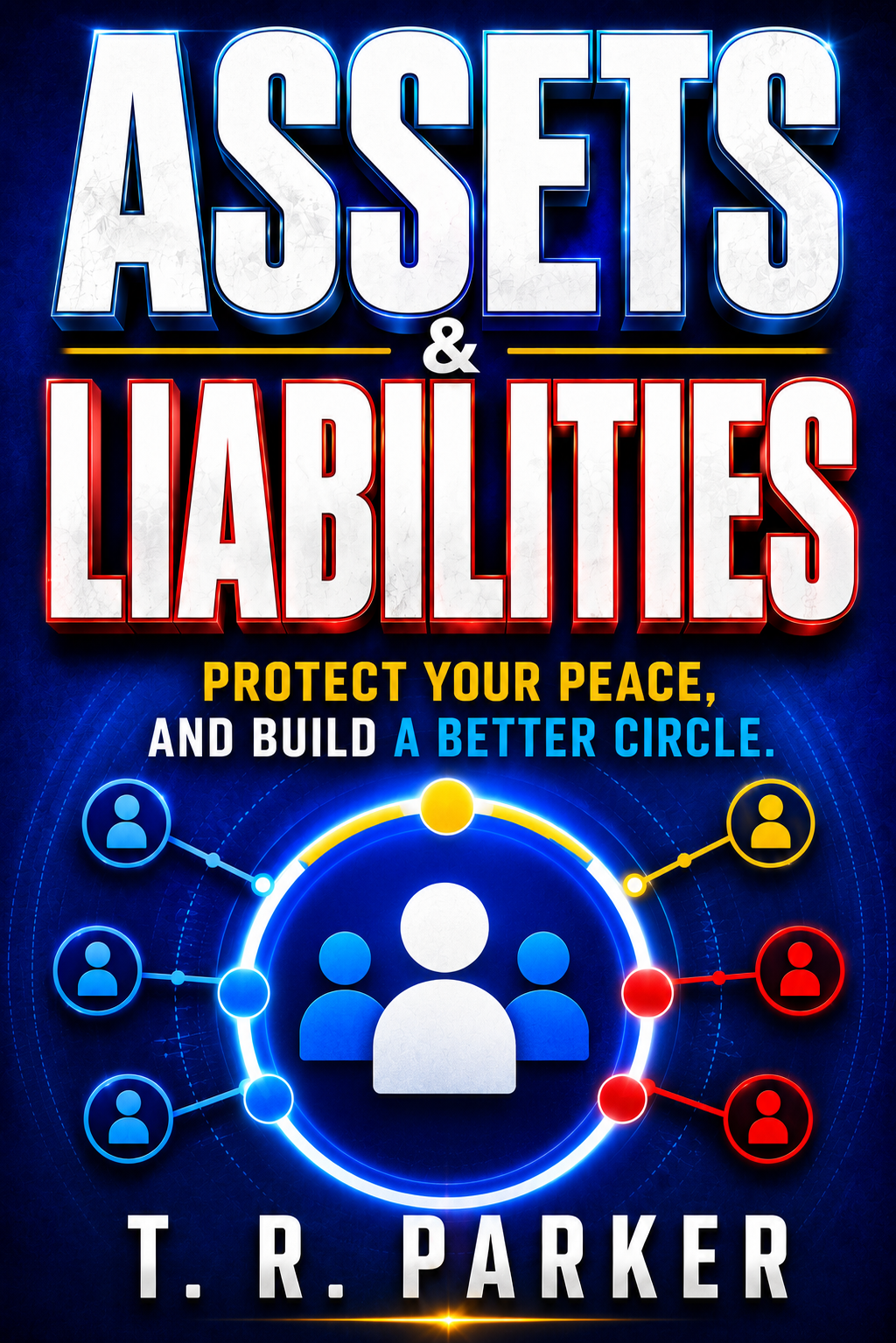
Assets & Liabilities is publishing now
Assets & Liabilities: Protect Your Peace and Build a Better Circle by T. R. Parker is moving through KDP publishing. The direct Shop Now link will be added here as soon as the Amazon listing is public.
This post is part of the launch cluster for the book. Use it as a practical reflection guide, not therapy, diagnosis, legal advice, or a promise that every relationship question has a simple answer.